A kitchen is one of the most frequently used spaces in a home. It plays an important role in everyday routines, from preparing breakfast in the morning to cooking dinner for the entire family. A comfortable kitchen makes these activities easier and provides an inviting environment where people can enjoy preparing food. With thoughtful planning and regular maintenance, even an ordinary kitchen can become a beautiful and practical space.
The first step toward creating an efficient kitchen is understanding how the available space will be used. A good layout should provide convenient access to cooking equipment, food storage, and cleaning areas. Keeping the refrigerator, sink, and stove within a comfortable working distance can improve movement while preparing meals. Homeowners should also leave enough counter space for chopping ingredients, arranging dishes, and placing kitchen appliances.
Storage solutions can make a significant difference in the overall appearance of a kitchen. Cabinets with adjustable shelves allow different items to be arranged according to their size. Pull-out drawers provide easy access to pots, pans, and cooking utensils, while wall-mounted shelves can hold frequently used ingredients. Organizing spices, grains, and other food products in labeled containers also helps maintain order and prevents unnecessary waste.
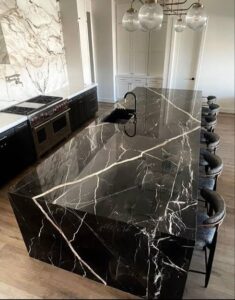
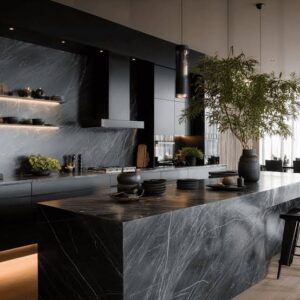
The choice of kitchen materials should reflect both style and durability. Countertops need to withstand regular use, heat, and occasional spills. Cabinets should be easy to maintain, and flooring should provide a stable surface that can be cleaned without difficulty. Selecting materials that suit the household’s budget and lifestyle helps create a kitchen that remains attractive over time.
Lighting is another feature that should receive proper attention. A combination of ceiling lights, task lighting, and natural sunlight can improve visibility throughout the room. Under-cabinet lights are especially useful for illuminating work surfaces during food preparation. Good ventilation is equally important because it helps remove smoke, steam, and strong food odors.
Appliances also contribute to kitchen efficiency. A reliable refrigerator keeps ingredients fresh, while a microwave and oven provide convenient cooking options. Blenders and food processors can reduce preparation time, particularly when making sauces, smoothies, and other recipes. Choosing appliances based on actual household requirements prevents unnecessary spending and saves valuable counter space.
Maintaining hygiene is essential for every kitchen. Cleaning countertops after preparing food, washing utensils, and regularly checking stored ingredients can help maintain a safe environment. Kitchen towels and sponges should also be replaced or cleaned frequently. Proper waste disposal and regular floor cleaning prevent unpleasant smells and discourage insects from entering the cooking area.
Personal style can make a kitchen feel more welcoming. Some people prefer bright colors and modern cabinets, while others enjoy traditional wooden finishes and warm lighting. Decorative tiles, attractive storage jars, curtains, and small plants can add character without making the room look overcrowded. The important thing is to create a design that feels comfortable and matches the rest of the home.
In addition, a well-maintained kitchen can encourage better eating habits. When fresh ingredients are organized and cooking tools are easy to find, preparing homemade meals becomes less complicated. Families can experiment with different recipes, prepare healthier dishes, and spend more quality time together.
Ultimately, a comfortable kitchen is created through a combination of smart design, practical storage, reliable appliances, and consistent cleaning. Expensive renovations are not always necessary to achieve noticeable improvements. Small changes in organization and layout can transform the cooking experience and make the kitchen a more enjoyable part of everyday home life.